Research Team
The research team consists of undergraduate students specializing in TinyML, Edge AI, and assistive technology development.
Student Researchers
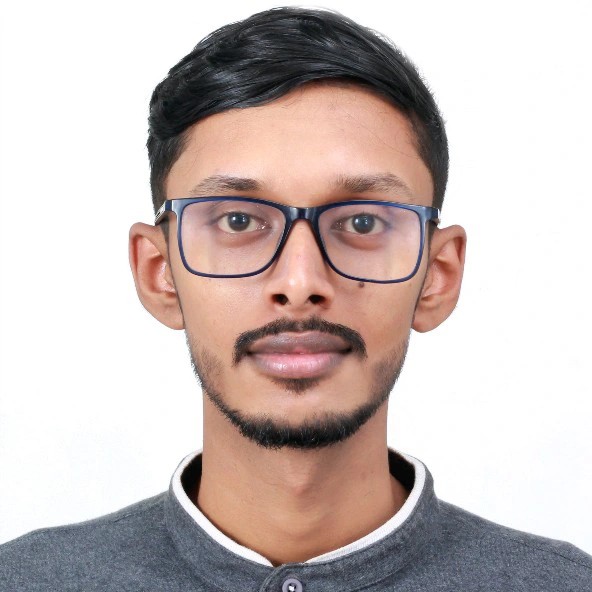
Four undergraduate researchers from SLIIT's Department of Computer Systems and Engineering, each specializing in a critical component of the integrated assistive technology system.

Academic Supervision
Dr. Dharshana Kasthurirathna
Supervisor
Faculty of Computing | Computer Science
Senior Lecturer specializing in AI, machine learning, and edge computing applications for assistive technology.
Ms. Hansi De Silva
Co-Supervisor
Faculty of Computing | Software Engineering
Lecturer in Software Engineering with expertise in human-computer interaction, accessibility, and mobile application development.
Institution Details
Institution
Sri Lanka Institute of Information Technology (SLIIT)
Department
Information Technology
Degree Program
B.Sc. (Hons) in Information Technology
Project Code
R25-012
Research Values & Approach
User-Centered Design
Developing with and for visually impaired individuals, incorporating feedback at every stage to ensure real-world usability.
Privacy First
All AI processing occurs on-device using Edge AI, ensuring user data remains private and secure without cloud dependency.
Accessibility & Affordability
Creating cost-effective solutions (~Rs. 70,000) that are 10x cheaper than commercial alternatives, accessible to developing regions.
Collaborative Research
This research project represents a collaborative effort where each team member developed a specialized component that integrates seamlessly into the unified IoT Smart Glasses system. The modular architecture allows each component to function independently while contributing to the comprehensive assistive solution.
Research Duration
8 months (2024-2025)
Total Components
4 integrated modules
Technologies Used
TinyML, Edge AI, TensorFlow Lite
Target Platform
Raspberry Pi 5 + Android
Connect With Our Team
Interested in our research? Have questions about the technology or collaboration opportunities? We welcome inquiries from researchers, industry partners, and organizations working in assistive technology.