About Project
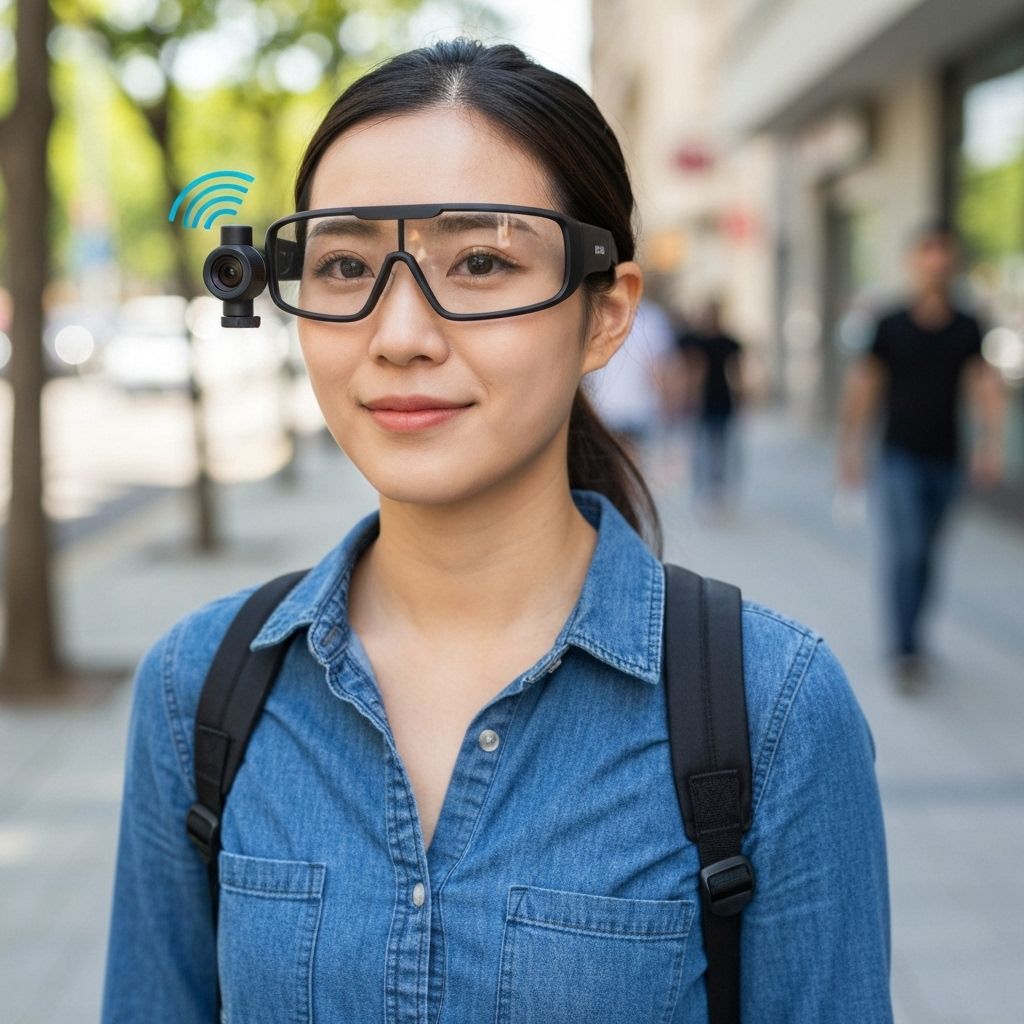
A research initiative focused on developing intelligent wearable smart glasses that provide real-time facial recognition, navigation, and scene understanding using TinyML and Edge AI — improving independence for visually impaired individuals.
The Challenge
Global Impact
Over 285 million people worldwide live with visual impairment, with approximately 39 million categorized as blind (WHO, 2022). In Sri Lanka, nearly 75% of cases affect individuals over 40 years old.
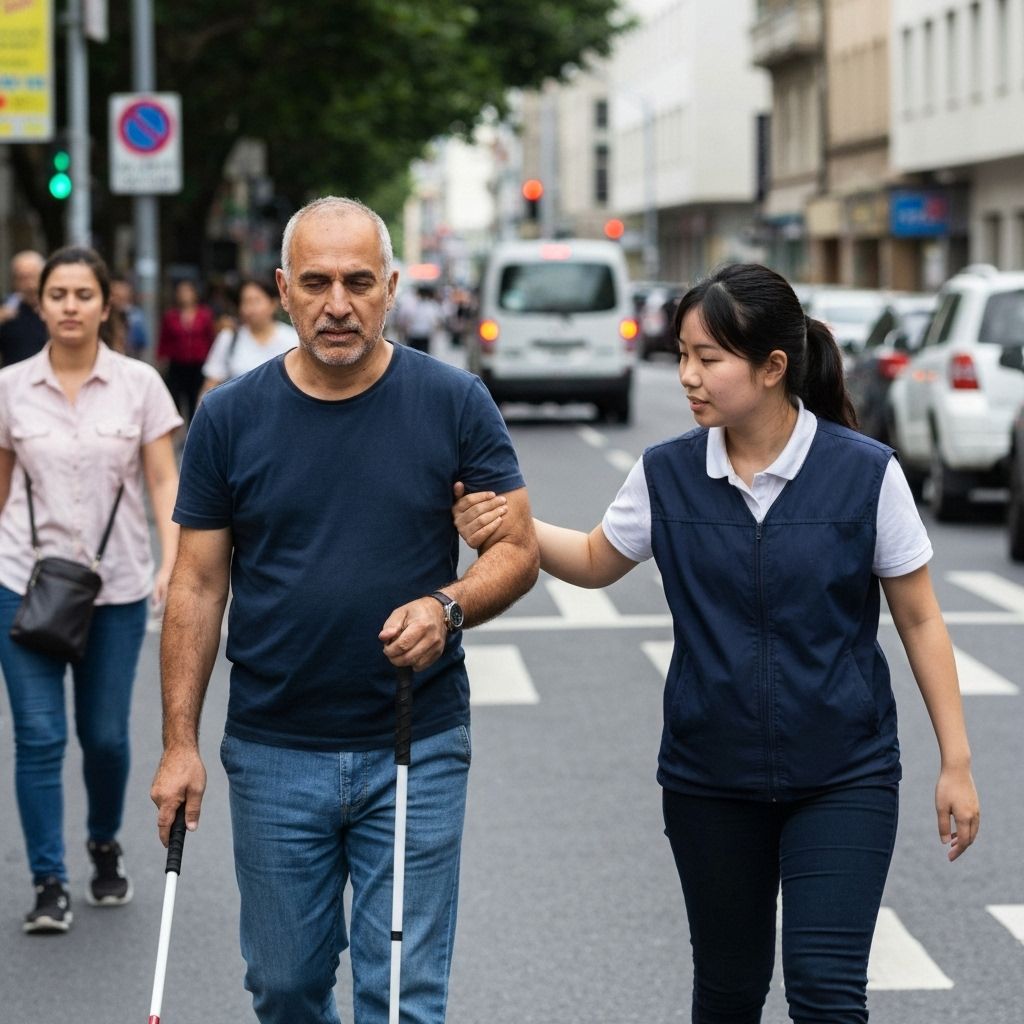
Visually impaired individuals face significant barriers in daily life: recognizing familiar faces in social settings, navigating safely through environments with obstacles, and reading printed Sinhala text independently. Traditional aids like white canes and guide dogs provide mobility support but lack intelligent awareness of people and surroundings.
Existing commercial solutions like OrCam MyEye ($3,500+) and Microsoft Seeing AI are either prohibitively expensive or lack support for the Sinhala language and offline functionality critical for Sri Lankan users in areas with limited internet connectivity.
Our Integrated Solution
A comprehensive assistive system combining smart glasses with a mobile application, powered by TinyML and Edge AI to deliver three core capabilities designed specifically for the Sri Lankan visually impaired community.
Real-Time Facial Recognition
Identify known individuals with 92% accuracy and personalized whisper feedback. Dynamic enrollment via voice commands.
Sinhala Voice Navigation
Speech-to-text commands (75-85% accuracy) with ultrasonic obstacle detection up to 1 meter. Real-time audio warnings.
Sinhala Text Recognition & Reading
OCR for printed Sinhala text with document classification (exam papers, newspapers, forms, notes, stories, words) and TTS conversion.
Technology Architecture
Built on Edge AI principles for privacy, affordability, and offline functionality
Mobile App
- Android/React Native
- Voice command interface
- Frame filtering logic
- Bluetooth communication
- Accessibility features
Edge Server
- Flask REST API
- Python 3.10+
- Systemd service
- Local Wi-Fi network
- Static IP configuration
AI/ML Models
- FaceNet/MobileFaceNet
- TensorFlow Lite (float16)
- Whisper (Sinhala STT)
- Google ML Kit/Tesseract
- Transfer learning
IoT Hardware
- Raspberry Pi 5 (BCM2712)
- 8GB RAM, 8 TOPS
- Pi Camera Module 2 (8MP)
- HC-SR04 sensors
- 27W USB-C power
Research Achievements
Key Performance Metrics
Facial Recognition Module
- Controlled accuracy: 92%
- Real-world accuracy: 85%
- False positive rate: <7%
- Dynamic enrollment: Voice-activated
Navigation System
- Sinhala STT accuracy: 75-85%
- Obstacle detection: 2cm-1m range
- Response latency: <1s
- Offline operation: 100%
OCR & Document Recognition
- Sinhala OCR accuracy: 68% (controlled)
- Document classification: 78% accuracy
- 6 document types supported
- TTS integration: Natural voice
System Performance
- End-to-end latency: <1.5s
- Frame processing: 1-2 FPS
- Privacy: 100% on-device
- Cost efficiency: 10x cheaper
Impact & Future Directions
Social Impact
- Empowers 285M+ visually impaired individuals globally
- Promotes independence and social confidence
- Bridges accessibility gap in Sri Lanka
- Affordable alternative to expensive commercial solutions
- Localized for Sinhala-speaking community
Future Enhancements
- Infrared cameras for low-light recognition
- Advanced attention mechanisms for occlusions
- FAISS library for scalable database lookup
- GPS integration for outdoor navigation
- Multi-language support (Tamil, English)
- Cloud backup with user consent
Research Contribution
This research advances intelligent, real-time assistance systems by demonstrating that IoT Smart Glasses and Mobile Applications can operate efficiently in low-power, privacy-sensitive environments while maintaining high accuracy and reliability for visually impaired individuals in developing regions.